

Xploration • Curation • Recommendation


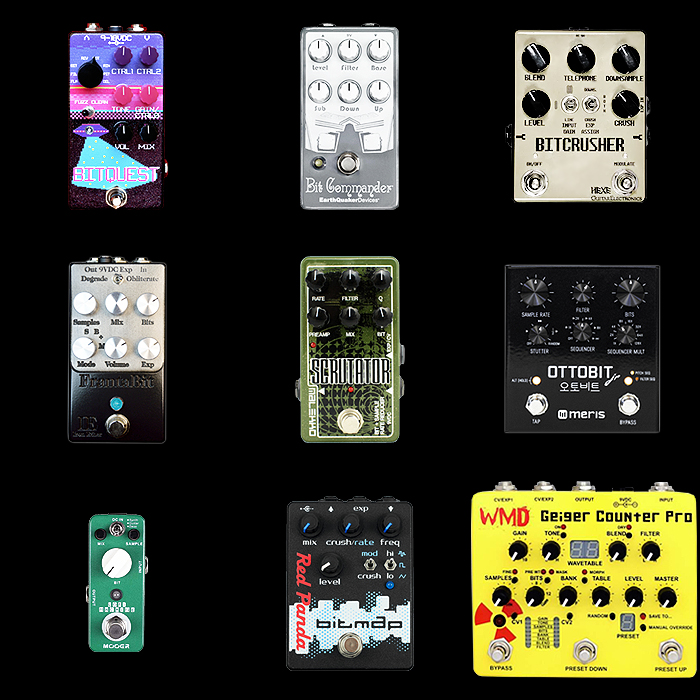
Meris Evolves and Super-Sizes its Bitcrusher / Sequencer / Texturizer - now the Ottobit X Modular Degradation and Texture Engine / Workstation


I’m a little late with this as Meris held back the press release until launch - so I was only provided with the details at the same time as everyone else - which is really rather unusual. I had a number of other projects already on the go - and so I’m a couple days late with this!
As always - each Meris device delivers way beyond its specific core category, its Enzo X for instance is almost as much a multi-modulator as it is a synth - and here we have lots of extras thrown into the mix - which is typical of Sound Design Engines and Devices - which this Ottobit X undeniably is.
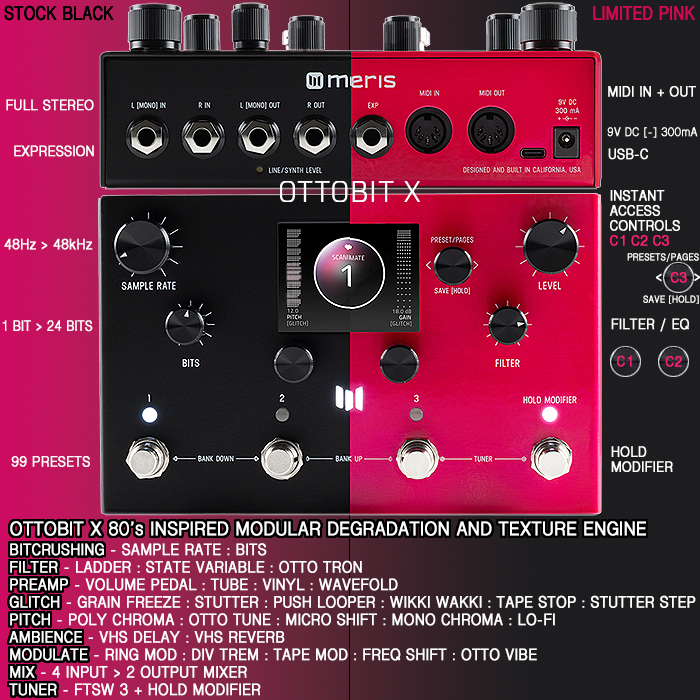
The Sample Rate (48Hz > 48kHz) and Bits (1 > 24) controls are front and centre - but only the tip of the iceberg really - where we have powerful options for Filters, Preamps, Glitch, Pitch, Ambience and Modulation - with a number of additional utilities - including a Digital Mixer and Tuner!
All-in-all we have nearly 30 effects to play with and combine in interesting ways. There’s no doubt that this is a killer device. But it’s also a large format workstation pedal - and you need to decide as I always advise - if this is the right lane for you. This would essentially take over the Eventide H90 slot for my own rig - with slightly more incidental textural effects - a lot of blippy bleepy bloopy stuff on offer - and you need to decide how much of that suits your own preferences and sensibilities as to whether it’s worth the investment.
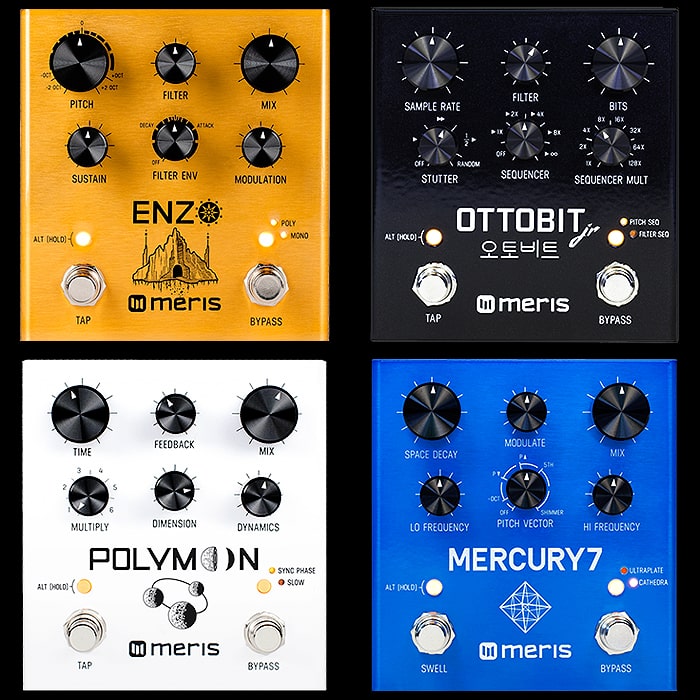
Those familiar with the Ottobit - in particular the Eurorack format - will find much to love here - plus quite a few new extras. The relatively recent addition of the prEDITOR App makes Preset handling in particular a breeze. While I still feel that most pedal devices’ user interfaces are still lagging far behind those of typical consumer electronics devices - like for instance mobile phones. You can though hook up a Yamaha bluetooth adapter - so managing one of these devices has never been easier. You just need to decide if it’s at the right level for you - perhaps the simpler Ottobit Jr. is more your speed. If you compare the Ottobit X to say the Red Panda Bitmap 2 - those are totally different devices. And the kitchen-sink approach of this larger device may well be too much for you - or it could be exactly your speed - especially if you’re familiar with Meris’ other X Series pedals!
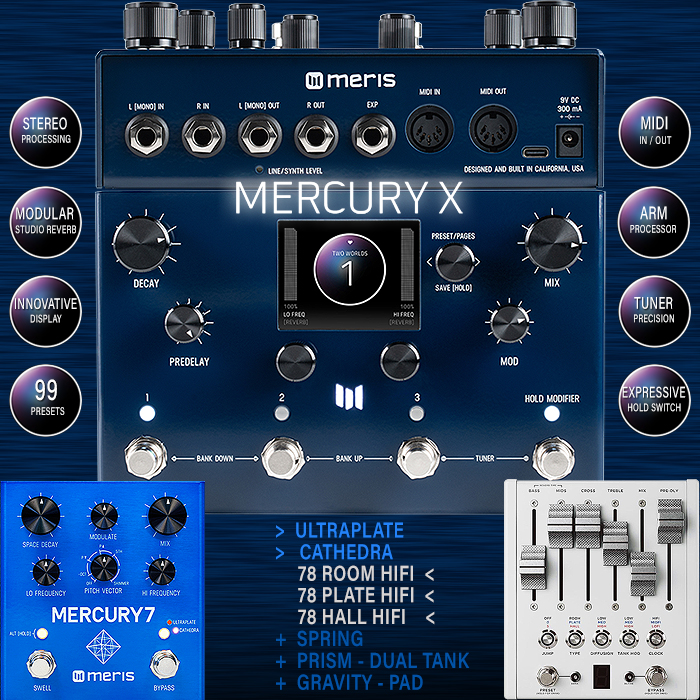
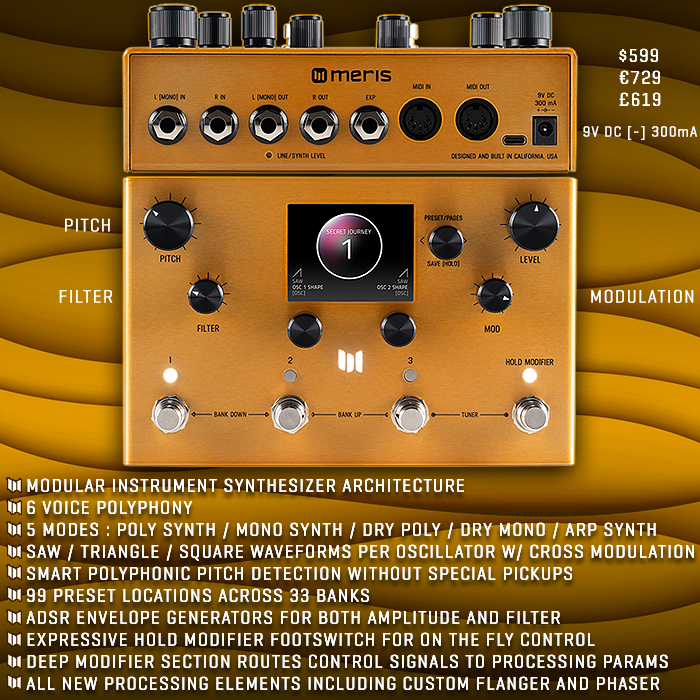
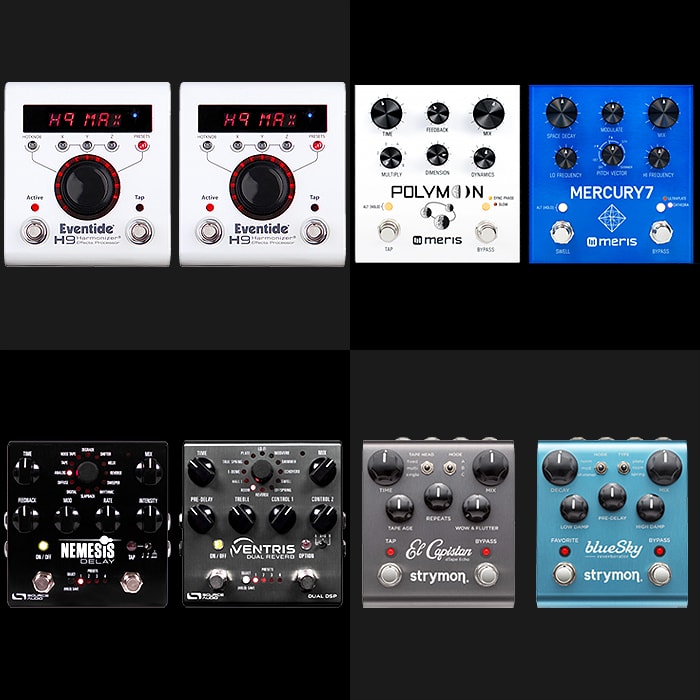
For Meris aficionados this is for sure another great weapon for the sonic arsenal - while you need quite a bit of real estate to deploy all 4 ’X’ workstations released to date - the LVX Delay, Mercury X Reverb, Enzo X Synth, and now Ottobit X Texture Engine.
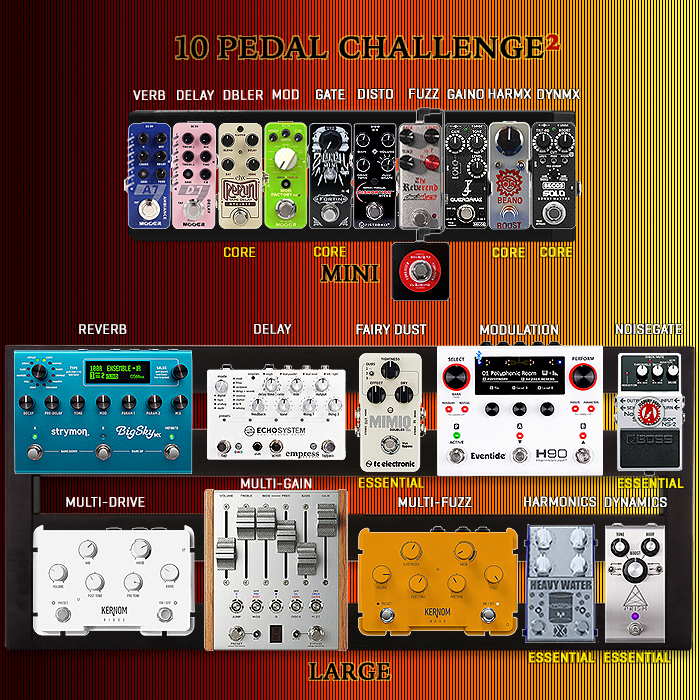
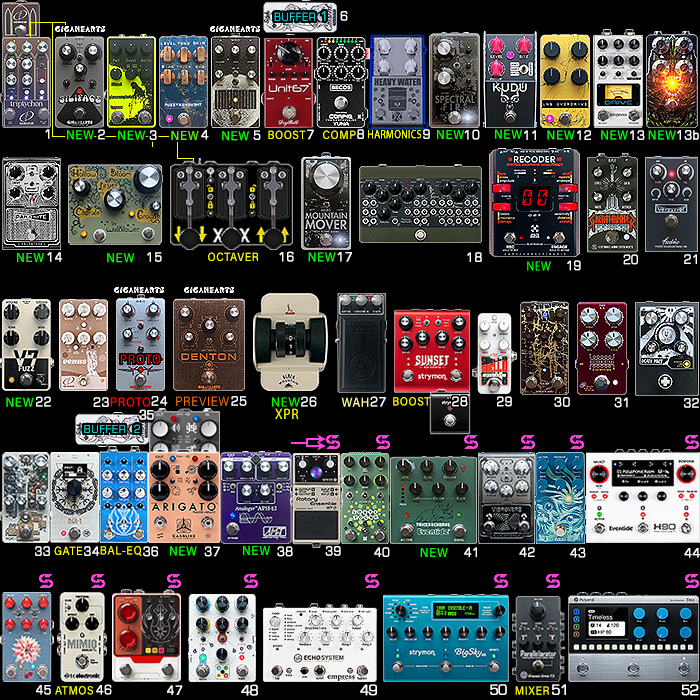
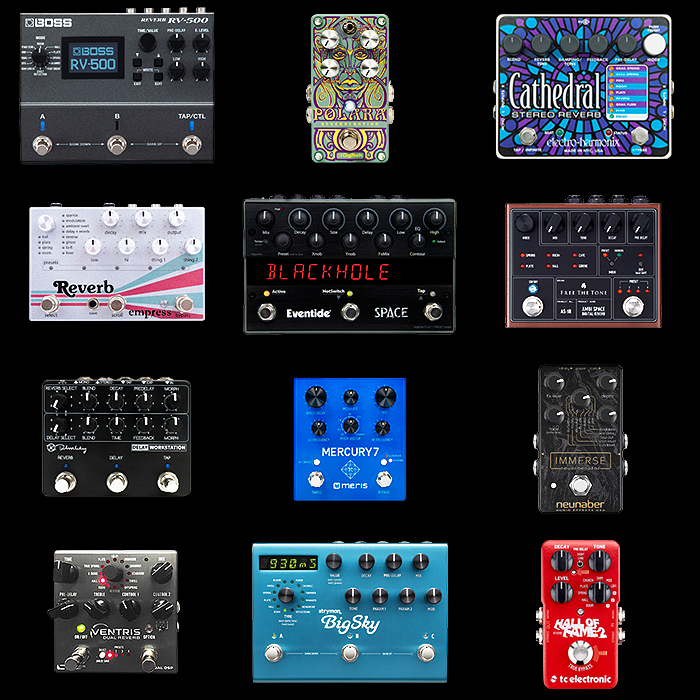
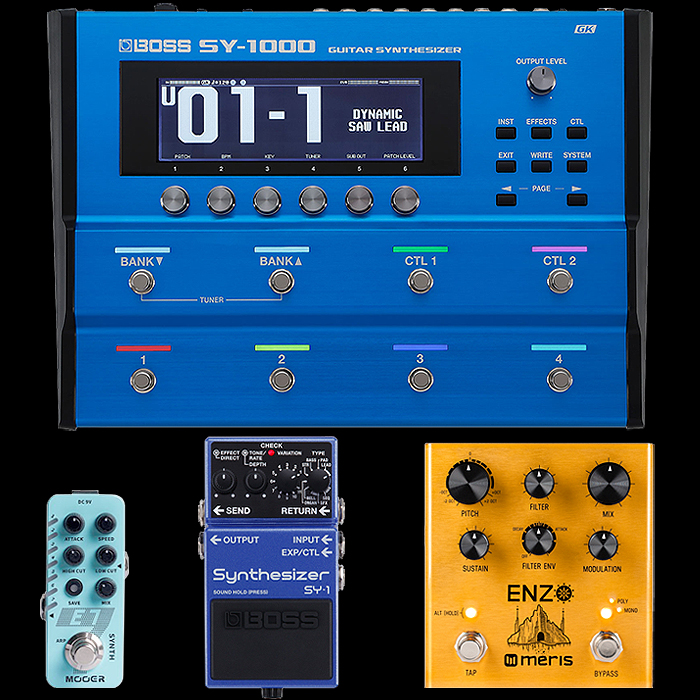
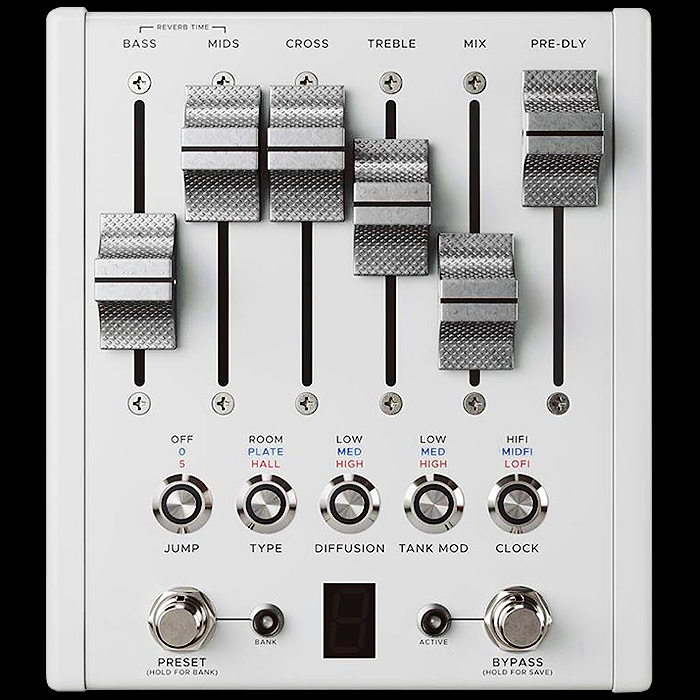
I've just recently landed the fairly compact Hotone Verbera - and that's probably my perfect Reverb Workstation pedal - while I have many favourites in addition. I had the Mercury X on my list for the longest time, but I found others more suited to my then current needs and sensibilities. While the Enzo X was always going to be a little much for me - the Boss SY-200 is my perfect format for synth. I'm not opposed to larger workstation pedals - in fact I currently have the Strymon BigSky MX, Empress EchoSystem, and as mentioned - the Eventide H90 on the board - and while the last mentioned tends to be a kind of all-rounder fallback - the other slots get rotated relatively regularly.
I like much about the Ottobit X - especially the large effects library that comes with the device - and I can see myself using a number of those tape and vinyl scratch effects every now and again, along with the core bitcrusher - but those are mostly incidental effects for me. And overall the likeliest slot for the Ottobit - is probably still better served by the more versatile H90. $599 is quite the investment for an occasional bit player as such - i.e. a device that is largely only in occasional use - and destined to spend extended periods as shelf-ware!
Funnily, apart from the LVX which I own - the Ottobit is probably my most likely target of all the Meris X Series Workstations - but I'm not sure I would get enough use out of it. I have so many pedals now - that accommodation / storage is constantly a problem - and I really don't wish to acquire pedals that are not going to be in fully regular rotation and use. I have some other devices that overlap the Ottobit X in certain areas - currently my recently arrived Gamechanger RECODER - very much fulfils the Oddball Texturizer and Modulator roll! It's not the exactly the same as the Ottobit X - but there are significant areas of overlap!
Obviously it depends on one's mindset at the time, and the concurrent timings of what else is going on. I've already got a long path ahead of me to master the RECODER - so the Ottobit X kind of arrives at the wrong time for me. While the Ottobit JR is one of Meris's best loved pedals of all time - so I'm pretty sure there will be a lot of takers for this new and expanded unit!
At launch there were 2 colourways - Stock Matt Black, and ultra limited Multidimensional Hot Pink - which seems to have sold out in all of 2 seconds. I really don't get why they would so limit that variant - the Pink version is the more attractive one for me - and the fact that I won't be able to get my hands on one of those - makes it even less likely that I would get one of these! It's still an excellent device - even though I have some issues with its navigation - and yes including the Bubble navigation - which is just a clever way to disguise different branch hierarchies and pages. The future of interfaces is definitely conversational - so you can audibly or textually 'chat' to your device and let the internal AI brain assemble the appropriate combination of functions and effects for your intended purpose - that's definitely where we're heading. Vybe coding will impact on all aspects of life in the end!
You can read up more about the $599 80's inspired Ottobit X Modular Degradation and Texture Engine / Workstation on the Meris Website. The manual is excellent as always!
And here below follow the key highlights - which I've mostly managed to squeeze into my colourful visual!
Key Features
- Full stereo modular degradation and texture engine with vintage 80s nostalgia
- 5 x Pitch Types : Poly Chroma, Otto Tune, Micro Tune, Mono Chroma, Lo-Fi
- 5 x Modulation Types: Ring Mod, Div Trem, Tape Mod, Freq Shift, Otto Vibe
- 4 x Preamp Types: Volume Pedal, Tube, Vinyl and Wavefold
- Highly musical advanced bit crush sample reducer engine that goes from 32bit down to 1bit
- 6 x Glitch Types: Grain Freeze, Stutter, 2 (1 button loopers): Push Loop and Wikki Wikki (vinyl scratching)
- Tape Stop and Stutter Step
- 2 x new lo-fi focused AMBIENCE algorithms - VHS Delay and VHS Reverb
- 3 x Filter Types : Ladder, State Variable and Otto Tron
- Expressive Hold Modifier Switch for on the fly control
- 99 Preset Locations in 33 Banks, with Artist Presets
- Favourite Preset Bank for instant access to your 3 favourite presets
- Instant Access Tuner with configurable Reference and Output mode
- Deep Modifier Section lets you route control signals to processing parameters
- Digitally controlled Analog mix bus
- Stereo input and output with separate jacks for each
- Switchable input/output headroom level for Instrument or Synthesizer / Line levels
- MIDI In and Out over standard MIDI DIN Jacks
- Assignable Expression Pedal control for multiple parameters simultaneously
- Dedicated Expression Pedal Jack
- MIDI implementation for CC, Presets and Beat clock synchronization
- Advanced ARM Processor
- Premium analog signal path and 24-bit AD/DA w/32-bit floating-point DSP
- Premium Analog Devices JFET input section
- Designed and built in California, U.S.A.
- Powered by standard 9 V power (9 V DC, centre -, 2.1mm, ~ 280 mA current draw - not supplied)
- Dimensions : 184mm W x 114mm H x 51mm D
- Weight : 680g
- MAP / RRP : $599 / €649 / £619
Demos