

Xploration • Curation • Recommendation


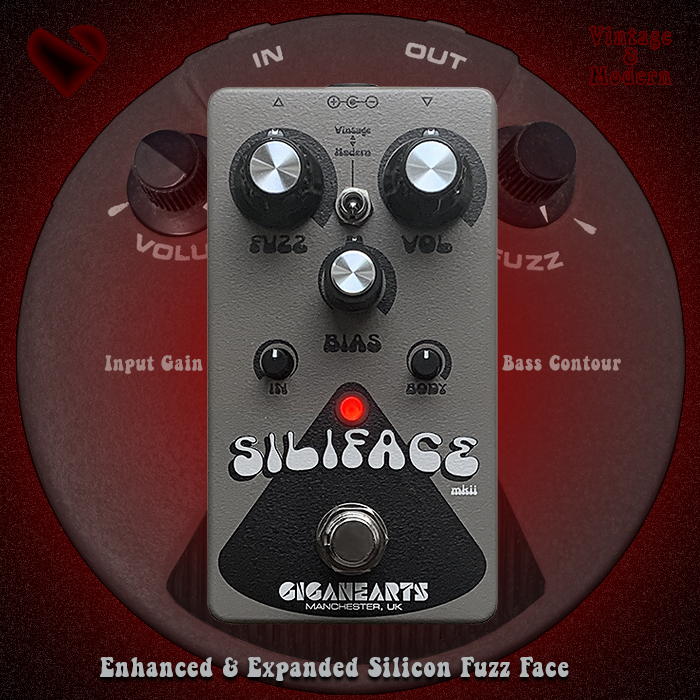
Gigahearts' MKII Siliface is the perfect super versatile everyday all-rounder Silicon Fuzz Face - which straddles both Type II and III, Vintage and Modern voicings


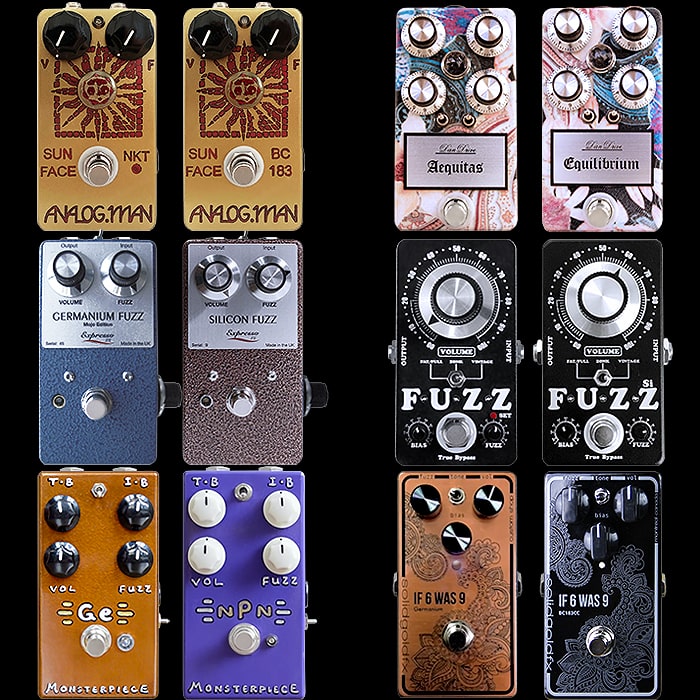
Back in 2021 I did a cool Fuzz Face Feature - which focused on the 3 to 4 Key Fuzz Face types :
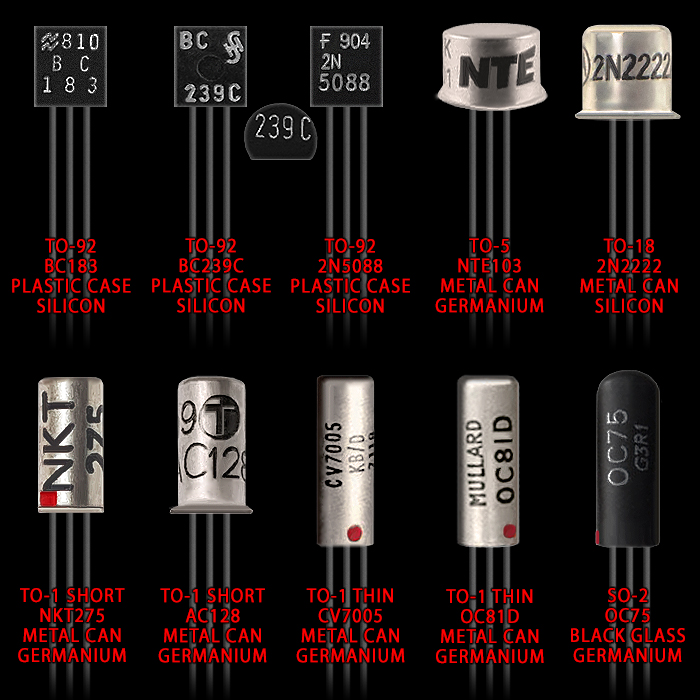
- Type I : Original AC125 / Newmarket NKT275 Gorgeous Gritty-sounding Germanium Transistors
- Type II : BC108 / BC109 Higher Gain, Harder-sounding / Searing Silicon Transistors
- Type III : BC183 / 2N3904 Germanium-sounding Softer Silicon Transistors
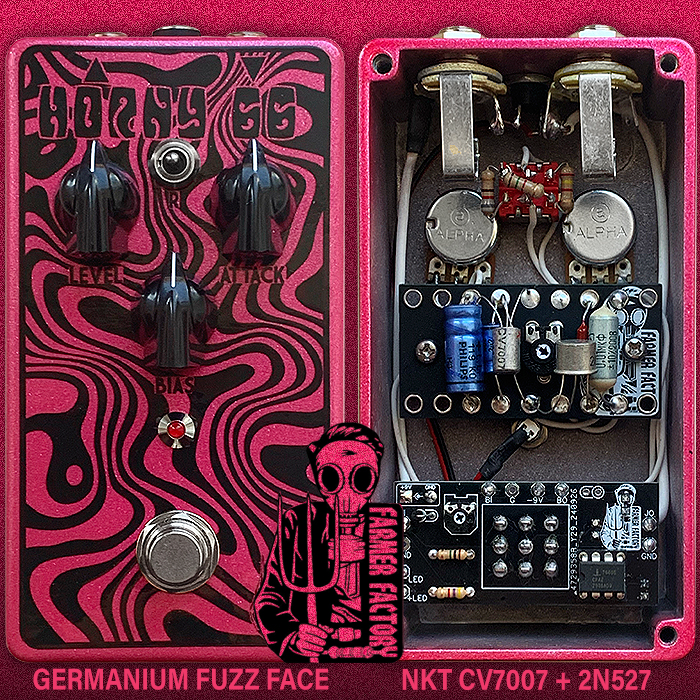
- Type IV : Fuzz Face Circuit Evolutions and Derivations - Fuzz Factory, Meathead, Regulus VIII etc. evolved 2-Transistor circuits - using a variety of Silicon and Germanium / Hybrid transistors, lots of Soviet & Eastern European ones too!
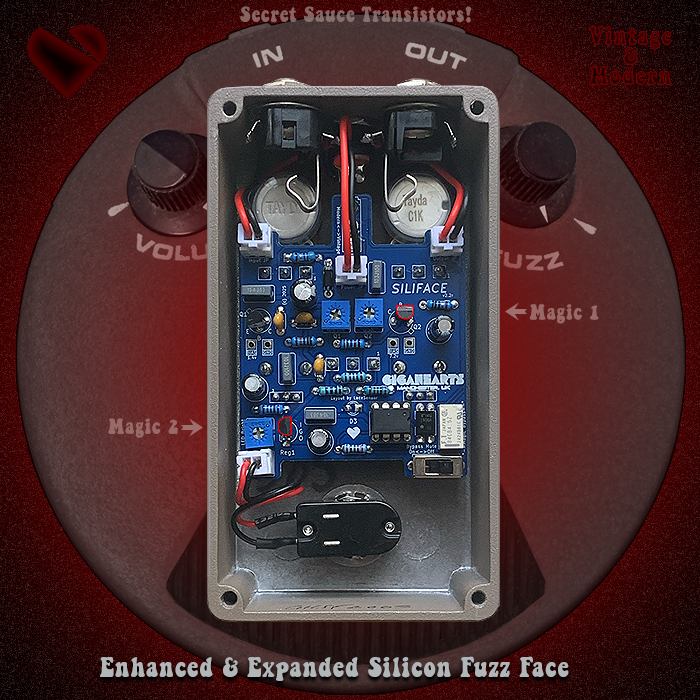
Gigahearts’ Ian has wonderfully discovered some really unique lower-gain TO-92 style silicon transistors which have an incredibly rich and versatile output profile - which in his Siliface MKII circuit deliver both Type II and Type III style tones - so both searing / sharper and more cutting Type II Silicon, and a very warm and almost grit-like Germanium-esque Type III voicing.
It’s important to understand how the controls impact on and delivers those dual voicings and much more besides!
Controls - Fuzz (Gain), Mode (Headroom / Output Profile) : Vintage (Classic) / Modern (Louder), Volume, Bias (7V > 0.7V Voltage Starve CW), IN (Input Gain Max > Min : Cleanup!), Body (Bass Contour) : Cut > Stock > Boost > Flubby (Farty! even).
The controls interact most beautifully - and the two Modes are not just about a softer or louder output profile - they interact with the other controls for a somewhat different character / timbre too!
For the first of my 2 favourite settings, with both Fuzz and Volume Fully Cranked, Mode on Vintage, Bias at just before 9 o'c, IN fully Off / CCW, Body fully Off / CCW - with those settings I get the perfect cutting / searing Silicon Type II tones.
While with Mode set to Modern, Fuzz @ Max, Volume @ 2 o'c, Bias just before 9 o'c, IN fully Off / CCW, Body @ around 3 o'c. This delivers the perfect warmer Germanium-sounding output - in several ways better than any BC183 type I own or have experienced. (I have over 120 Fuzz Faces in the reference collection!).
The combination of Modern Mode with just the right amount of Body (Bass Contour) - gives you an incredible kinda sorta germanium grit and warmth when you dial it in just right - around 3 o'c or so!
So in a somewhat contrary fashion - I get a more Vintage sounding Output on the Modern Mode, and a more Searing Silicon voicing on the cranked Vintage Mode settings!
Note that both the Bias and IN dials are in effect inverted / reversed - and would make more sense to some if labelled 'Starve' and 'Cleanup' - as you start off full-on at CCW, and then essentially decrease those settings' impact as you crank the dials CW!
It's wholly understandable why Ian guards the secret identity of these particular Transistors so closely - as they do seem to have a highly unique versatility and rich character to them. Both transistors are essentially masked inside the pedal. This is the essence of serendipity in discovery really - all I can say is that they are much closer in gain profile to vintage Germanium transistors than the later Silicon varieties. They really sound exceptional within this circuit and have a super high degree of versatility.
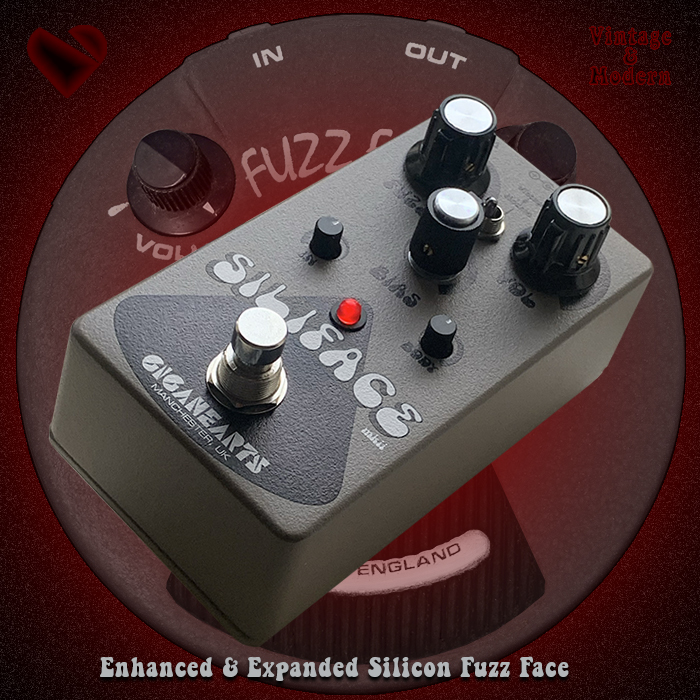
The Siliface has enormous range on every dial - for full and total granularity - it can get extremely loud on Modern Mode - where 2 o'c is already really loud! And the Bias / Starve goes all the way down beyond a single Volt (to 0.7V) for those extreme dying battery / starved / sputtery and gated sounds. Somewhere in the middle - with the Body dialled back a touch - you get that classic smooth Eric Johnson style voicing - while - I'm mostly about the more open and searing side of Fuzz Faces - and then just using the Guitar Volume cleanup to the max - so starting off with a full-on voicing - that you can temper on-the-fly!
I get a much more treble-y sharper tonality with the Body cranked back on the Vintage Setting - than on Modern. 'Modern' seems to have more warmth within its core, while Vintage in some ways yields a cooler and harder tonality! You do need to adjust the Body control appropriately - but the differences are quite distinct at the extremes!
The Body / Bass Contour control is really handy in warming and beefing up the fuzz's output. And you can use it to even add a degree of grit into the profile - at around 3 o'c! (just before it gets farty / flubby!)
As I say at the start - this is the perfect everyday all-rounder Fuzz Face - likely my favourite Silicon variety to-date! I've had it less than a week now - and normally wait a month or two to make the big proclamations - but I've been hugely impressed with this one from the start. I don't feel any Silicon Fuzz Face has impressed me quite as much as this one on first impressions - and I feel it is to do with the nature of those killer secret transistors - and how well they interact with that super smart, but still relatively simple control topology. I don't really have any need for the Input Gain control - as I'm accustomed to using my Guitar volume knob for cleanup duties. While those who are unaccustomed to that can use the IN control to temper and cleanup the fuzz's gain profile! It can also be useful in seeking out that perfect Smooth Eric Johnson style voicing. While the nature of this particular fuzz typically encourages me to go full-range most of the time!
Interested parties will be struck by the low cost of this Siliface Fuzz Face perfection - just £115 notes ($155) on the Gigahearts Webstore - surely an absolute bargain! It puts most every other Silicon Fuzz Face in the shade - surely including the recent 2-knob Strymon Canoga. Putting a 2-knob Fuzz Face up against the Siliface is just a no-contest! Ian has done some wonderful engineering work here on top of those serendipitous Transistor finds!
If you're interested in a glorious sounding and supremely versatile Fuzz Face type - you would be extremely hard pressed to find better than this! Highly recommended! Every home should have one!
Demos




Content Subscriptions